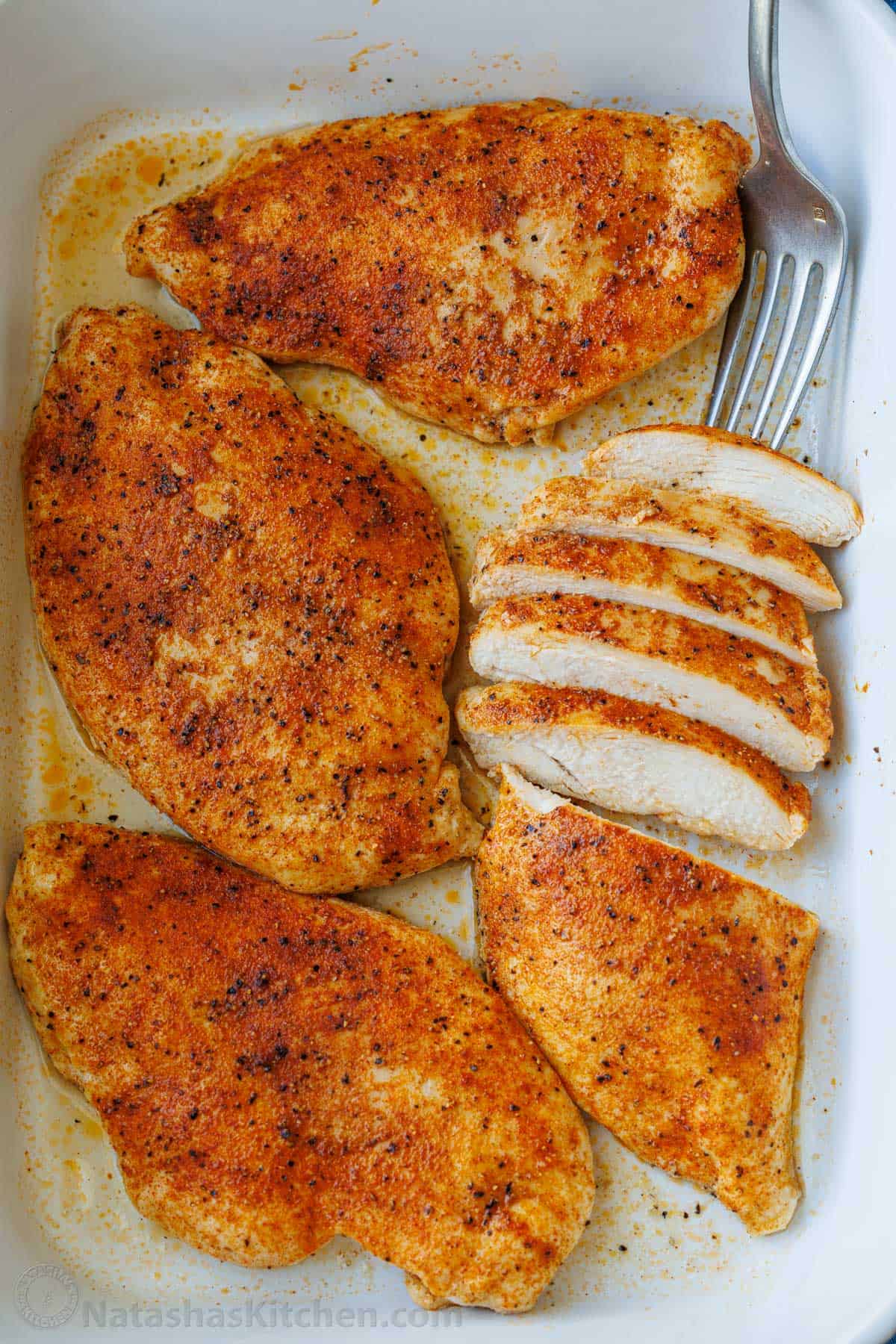
The quest for perfectly cooked chicken breasts often ends in disappointment for many home cooks. The lean nature of this versatile protein makes it notoriously easy to overcook, resulting in a dry, stringy texture that nobody enjoys. But what if we told you that achieving the best baked chicken breasts – consistently juicy, plump, and full of flavor – is not only possible but surprisingly simple? Forget everything you thought you knew about bland, dry chicken. With a few expert techniques, you can transform this kitchen staple into a culinary delight every time.
Mastering the art of baking chicken breasts is a fundamental kitchen skill that will serve you well for a lifetime. Chicken is a go-to for countless families, adaptable to an endless array of meals, from quick weeknight dinners to impressive weekend feasts. Baked chicken, in particular, offers a fantastic blend of convenience and flavor, outshining its boiled counterpart and providing a solid foundation for salads, pasta dishes, grain bowls, and more. Plus, it stores and reheats exceptionally well, making it ideal for meal prepping.
The Secret to Consistently Juicy Baked Chicken Breasts
The common downfall of most baked chicken breast recipes lies in extended oven times that strip the lean meat of its precious moisture. Our solution, honed through extensive testing, focuses on three key techniques that guarantee plump, juicy results with minimal hands-on effort. Once you adopt this method, dry chicken will be a thing of the past.
The Power of a Pre-Bake Wet Brine
A wet brine is a game-changer for chicken breasts. It’s a simple saltwater solution that the chicken soaks in for a short period before cooking. But its effects are profound. Here's how it works:
- Moisture Infusion: Through the process of osmosis, the chicken absorbs some of the brine solution. This additional moisture acts as a buffer, helping the chicken stay hydrated during the high-heat cooking process.
- Internal Seasoning: Beyond just adding moisture, the salt in the brine penetrates the chicken, seasoning it from the inside out. This results in a deeper, more even flavor that simple surface seasoning can't achieve.
- Tenderizing Effect: Salt also denatures some of the protein fibers in the chicken. This loosens the muscle structure, making the cooked chicken noticeably more tender and less likely to seize up and become tough.
For a basic wet brine, dissolve about ¼ cup of kosher salt in 4 cups of water. You can add other aromatics like bay leaves, peppercorns, or a dash of sugar for extra flavor. Submerge your chicken breasts for at least 15 minutes, but no longer than 30-45 minutes for thinner breasts, to avoid them becoming too salty. Always pat the chicken thoroughly dry with paper towels after brining; this is crucial for achieving a nice, golden-brown crust.
High Heat for Quick, Even Cooking
Conventional wisdom often suggests lower, slower baking for chicken, but for lean boneless, skinless breasts, this can actually lead to dryness. Our method calls for a high-heat bake, typically between 400-425°F (200-220°C). Why high heat?
- Rapid Cooking: High heat cooks the chicken quickly and efficiently, minimizing the time it spends in the oven where moisture loss occurs. It creates a quick "sear" on the outside, helping to lock in juices.
- Thorough Cooking: Despite the speed, high heat ensures the chicken cooks through thoroughly without drying out the interior.
The key to success with high heat is using an instant-read meat thermometer. Chicken breasts are fully cooked and safe to eat when they reach an internal temperature of 165°F (74°C) in the thickest part. Overcooking, even by a few degrees, can quickly turn juicy chicken dry. Once they hit 165°F, remove them immediately from the oven and let them rest for 5-10 minutes. This resting period allows the juices to redistribute throughout the meat, ensuring every bite is moist and tender.
The Finishing Touch: Butter and Seasoning
While brining and high heat do most of the heavy lifting, a simple drizzle of melted butter (or olive oil for a dairy-free option) before baking adds an extra layer of flavor and helps promote beautiful browning. The added fat contributes to the overall moistness and richness of the chicken. Coupled with your favorite dried spices, this finishing touch elevates the chicken from good to truly exceptional.
Consider a versatile blend of garlic powder, onion powder, paprika, dried oregano, and a pinch of cayenne pepper for a subtle kick. Rub it generously over the buttered chicken. For more detailed insights and additional seasoning ideas that promise never-dry results, explore our article on Bake Juicy Chicken Breasts: Pro Tips for Never-Dry Results.
Selecting the Perfect Chicken for Optimal Juiciness
Even the best cooking techniques can only do so much if you start with subpar ingredients. Choosing quality boneless, skinless chicken breasts is an essential first step towards achieving the best baked chicken breasts.
Visual Cues: Color and Plumpness
- Color: Look for chicken breasts with a light, healthy pink hue. Avoid any chicken that looks greyish, overly pale, or has significant bruising or discoloration.
- Plumpness: A good chicken breast should appear plump and firm, not flat, deflated, or riddled with dents and creases. A dry-looking or shriveled chicken breast could indicate it's past its prime or has been mishandled.
Fat Content and Trim
For boneless, skinless chicken breasts, you want minimal visible fat. Properly trimmed chicken breasts will have little to no excess fat or connective tissue. While a tiny bit of fat is natural, large, untrimmed pieces can affect cooking evenness and texture.
The Scent Test
Fresh chicken breast should have virtually no smell. If you detect any off-putting odors – sour, sulfurous, or otherwise unpleasant – or if there's excessive liquid (beyond normal packaging juices) in the tray, it's a strong indicator that the chicken may be spoiling and should be avoided.
Additional Considerations for Quality
When possible, opt for chicken breasts of similar size and thickness to ensure even cooking. If your chicken breasts vary significantly in size, you might consider pounding the thicker parts slightly to equalize them, though this technique is less critical with high-heat baking.
Maximizing Flavor and Longevity: Storing and Reheating Your Baked Chicken
You've successfully made the best baked chicken breasts, and now you want to enjoy them for days to come without sacrificing that hard-won juiciness. Proper storage and reheating are crucial for maintaining quality and preventing dryness.
Smart Storage for Freshness
Once your chicken breasts have cooled slightly, transfer them to an airtight container. Store them in the refrigerator for up to 5 days. A pro tip to maintain moisture: if there are any residual juices, butter, or pan drippings left in your baking dish, pour them over the chicken in the container. This liquid acts as a natural barrier, keeping the chicken moist and flavorful for future meals.
Reheating Without Drying Out
Reheating can be tricky, as it’s another opportunity for chicken to dry out. Here are the best methods:
- Reheating in Broth (for Soups & Stews): If you plan to incorporate your chicken into a soup, stew, or casserole, shred or chop the cold chicken first. Then, gently add it to warm broth or the simmering dish for just 4-5 minutes, or until it's heated through. The liquid will prevent it from drying out while warming.
- Reheating in the Oven (for Whole Pieces): This is the best method for retaining moisture and texture if you want to enjoy the chicken on its own. Place the chicken (along with any saved residual juices) in a baking dish. Cover the dish tightly with foil. This creates a steamy environment that prevents moisture from escaping. Bake at 350°F (175°C) for 10-15 minutes, or until the chicken reaches an internal temperature of 165°F (74°C).
- Reheating in the Microwave (Quick Option): While convenient, the microwave is the riskiest method for drying out chicken. Place the chicken on a microwave-safe plate. Add a splash of water or a teaspoon of broth and cover loosely with a microwave-safe lid or damp paper towel. Heat in short intervals (30-60 seconds), checking frequently, until warmed through. Be very careful not to overheat.
For a deeper dive into optimizing your post-cooking experience, check out our comprehensive guide on Baked Chicken Mastery: Buying, Storing, and Reheating Tips.
With these straightforward, actionable steps, you are now equipped to consistently produce the best baked chicken breasts. Say goodbye to dry, bland chicken and hello to tender, juicy perfection every single time. From the careful selection of your poultry to the strategic use of brining and high-heat baking, and finally, smart storage and reheating, each step plays a vital role in transforming a simple ingredient into a succulent centerpiece or a versatile component for countless meals. Embrace these techniques, and you'll find yourself reaching for chicken breasts more often, confident in the delicious, moist results you'll achieve.
