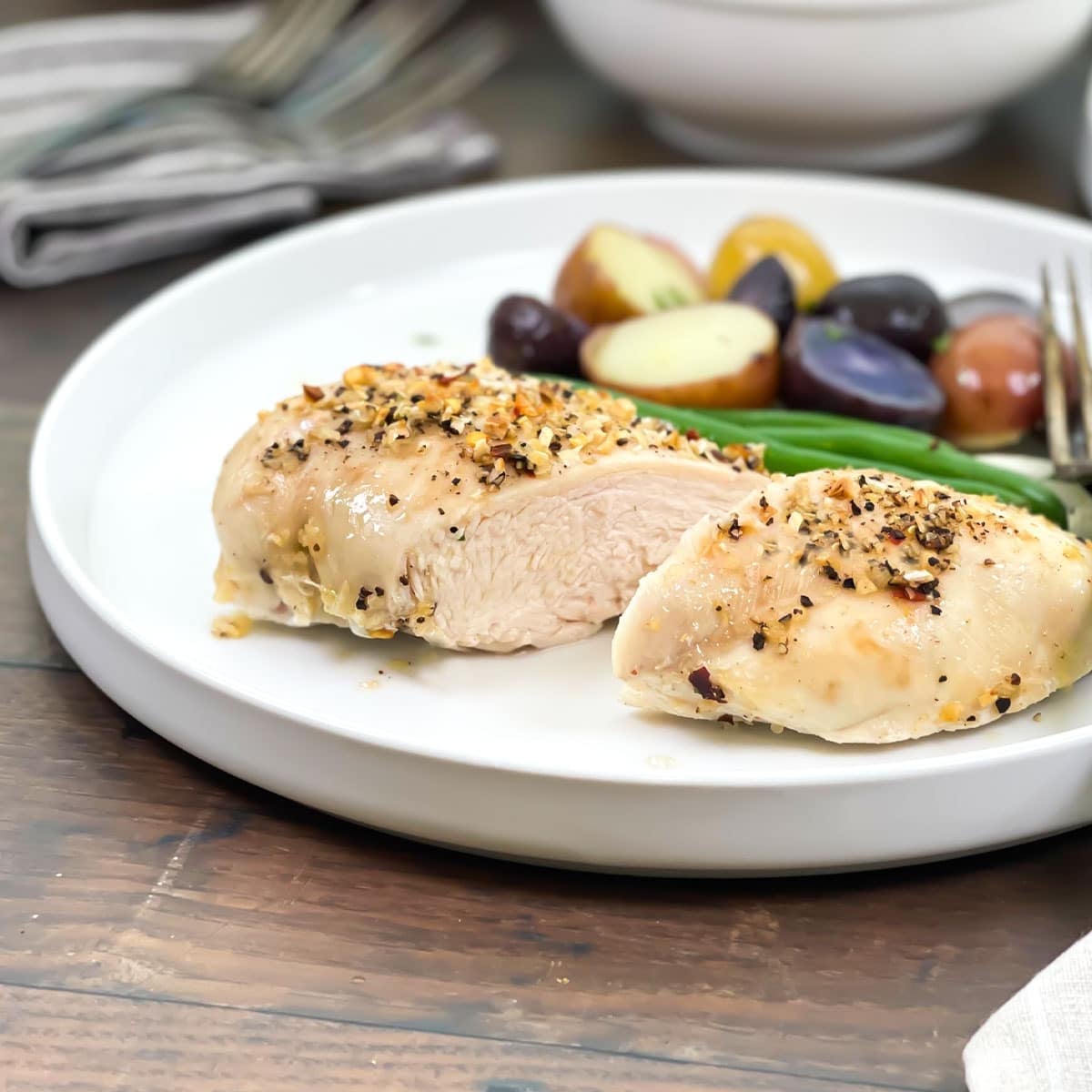
Unlocking the Secret to Perfectly Juicy Baked Chicken Breasts Every Time
Few dishes are as universally loved and versatile as baked chicken. It’s a weeknight staple, a meal prep hero, and a go-to for healthy eating. Yet, the quest for the best baked chicken breasts often ends in disappointment, with dry, flavorless results leaving home cooks frustrated. Say goodbye to rubbery chicken! This comprehensive guide will transform your approach to baked chicken, providing expert tips on buying, storing, and reheating, ensuring every bite is succulent, flavorful, and truly mastery-level.
From choosing the freshest poultry at the grocery store to employing professional cooking techniques that lock in moisture, and even smart strategies for leftovers, we’ll equip you with all the knowledge needed to consistently achieve perfectly juicy, never-dry baked chicken breasts. Mastering this fundamental kitchen skill will not only elevate your meals but also open up a world of culinary possibilities for quick, healthy, and delicious dinners.
The Art of the Bake: Crafting the best baked chicken breasts
The journey to undeniably delicious baked chicken begins long before it hits the oven. The secret to transforming lean boneless, skinless chicken breasts into plump, juicy perfection lies in understanding and applying a few key techniques. These methods collectively prevent the common pitfall of overcooked, dry meat, ensuring a tender, flavorful outcome every single time.
1. The Magic of a Wet Brine: Internal Seasoning and Moisture Infusion
One of the most impactful steps in creating exceptionally moist chicken is a quick wet brine. This isn't just about adding salt; it's a scientific marvel that fundamentally alters the chicken's texture and flavor profile. A simple saltwater solution works by allowing the chicken muscle fibers to absorb additional moisture through osmosis, and it also denatures some of the proteins, making them less likely to seize up and expel moisture during cooking. This pre-treatment not only seasons the chicken from the inside out but also acts as an insurance policy against dryness.
- How to Brine: For approximately 1.5 to 2 pounds of chicken breasts, dissolve 2 tablespoons of kosher salt in 4 cups of cold water. You can also add aromatics like a bay leaf, peppercorns, or a few lemon slices for an extra layer of subtle flavor. Submerge the chicken breasts completely in the brine and refrigerate for at least 15 minutes, but no more than 30 minutes. Any longer and the chicken can become too salty or mushy.
- Post-Brine Prep: After brining, pat the chicken breasts thoroughly dry with paper towels. Excess moisture on the surface will hinder browning and crisping.
2. High-Heat Baking: The Key to Rapid Perfection
The instinct might be to bake chicken at a moderate temperature for a longer period, but this is often where dryness sets in. For boneless, skinless chicken breasts, a high-heat bake is paramount. Cooking at a higher temperature (e.g., 400-425°F or 200-220°C) allows the exterior of the chicken to brown beautifully while the interior cooks quickly and evenly, reaching its safe internal temperature of 165°F (74°C) before the precious moisture has a chance to escape. This method ensures plumpness without sacrificing doneness.
- Preheat is Power: Always ensure your oven is fully preheated to the target temperature before placing the chicken inside.
- Monitoring Doneness: The ultimate tool for juicy chicken is a reliable meat thermometer. Insert it into the thickest part of the breast. Once it reads 160-162°F (71-72°C), remove the chicken from the oven. Carryover cooking will bring it up to the safe 165°F (74°C) as it rests.
3. The Flavorful Finish: Melted Butter and Savory Spices
Even with brining and high heat, a little extra love goes a long way. Drizzling your brined and dried chicken breasts with a touch of melted butter or olive oil before baking adds a crucial layer of fat and flavor. This fat not only contributes to a golden-brown crust but also helps conduct heat and keeps the surface from drying out. Couple this with your favorite dried spices—think garlic powder, onion powder, paprika, dried oregano, or a simple salt and pepper blend—and you’ll have chicken that’s bursting with taste.
For more detailed insights into achieving that perfect succulent texture and flavor, explore our article on Bake Juicy Chicken Breasts: Pro Tips for Never-Dry Results.
Smart Shopping: Selecting the best baked chicken breasts at the Store
The quality of your raw ingredients significantly impacts the final dish. Choosing high-quality chicken breasts is the foundational step to culinary success. Here’s what to look for when you're at the butcher or grocery store:
- Color is Key: Fresh chicken breasts should exhibit a healthy, light pink hue. Avoid any chicken that appears grayish, yellowish, or has noticeable discoloration or bruising.
- Plumpness and Texture: Look for chicken breasts that appear plump and firm. They should feel substantial and have a smooth surface without any dents, creases, or a shriveled appearance. A dry or limp look can indicate spoilage or that the chicken has been mishandled.
- Minimal Fat: While some fat is natural, optimally trimmed chicken breasts will have very little visible fat. Excessive fat can be trimmed at home, but choosing leaner cuts initially saves you time and effort.
- The Sniff Test: Fresh chicken should be virtually odorless. If you detect any sour, sulfuric, or generally "off" smell, or if there's an excessive amount of liquid (often slimy) in the packaging, it’s a clear sign that the chicken may be past its prime and should be avoided. Trust your nose!
- Consider Sourcing: Beyond visual cues, think about the type of chicken. Options like organic, free-range, or air-chilled chicken can often offer superior flavor and texture due to differences in diet, living conditions, and processing methods. Air-chilled chicken, for example, retains less absorbed water, which can contribute to better flavor and a less diluted brine.
Beyond the Bake: Storing and Reheating for Continued Enjoyment
One of the greatest advantages of mastering baked chicken is its versatility and suitability for meal prep. Knowing how to properly store and reheat your cooked chicken is crucial for maintaining its quality, flavor, and food safety.
Proper Storage for Cooked Chicken
Once your delectable chicken breasts are cooked, allow them to cool slightly before storing. Prompt cooling helps prevent bacterial growth.
- Airtight is Right: Always transfer cooked chicken breasts to an airtight container. This protects them from absorbing odors from other foods in the refrigerator and prevents moisture loss.
- Retain Juices: If there are any residual pan juices or melted butter left in your baking dish, be sure to add them to the container with the chicken. This liquid acts as a natural basting agent, helping to keep the chicken moist when it’s time for reheating.
- Refrigeration Lifespan: Stored correctly, cooked chicken breast can be safely kept in the refrigerator for up to 3-4 days. While some sources say 5, 3-4 days is a safer bet for optimal quality and peace of mind.
- Freezing for Longevity: For longer storage, cooked chicken breasts can be frozen for up to 3 months. Wrap individual portions tightly in plastic wrap, then place in a freezer-safe bag or container, expelling as much air as possible. Thaw overnight in the refrigerator before reheating.
Reheating Cooked Chicken Breast: Preserving Moisture and Flavor
Reheating is where many people lose the moisture they worked so hard to achieve. The goal is to warm the chicken through without drying it out further. Here are the best methods:
- Gentle Heat in Broth (for soups/stews): If your baked chicken is destined for a soup, stew, or casserole, this is the ideal method. Shred or chop the cold chicken, then add it to warm (not boiling) broth or the simmering liquid of your dish. Allow it to gently heat through for 4-5 minutes. The surrounding liquid will infuse moisture, keeping the chicken tender.
- Oven Reheating: The Gold Standard: For enjoying chicken on its own or with sides, the oven is your best friend.
- Preheat your oven to 350°F (175°C).
- Place the chicken breasts (along with any residual juices) in a baking dish.
- Crucially, cover the dish tightly with foil. This creates a steamy environment, preventing the chicken from drying out.
- Bake for 10-15 minutes, or until the chicken is warmed through and reaches an internal temperature of 165°F (74°C). The foil is non-negotiable for juicy results.
- Microwave Reheating (with caution): The microwave is the quickest option but also the riskiest for drying out chicken.
- Place chicken on a microwave-safe plate, adding a tablespoon or two of water or broth to the plate.
- Cover the plate loosely with a microwave-safe lid or damp paper towel.
- Heat in short bursts (30-60 seconds) at medium power, flipping the chicken and checking temperature between bursts.
- Avoid overheating! As soon as it's warm through (165°F/74°C internal temperature), remove it.
Regardless of the reheating method, remember that the chicken should reach an internal temperature of 165°F (74°C) for food safety. Using a thermometer is highly recommended.
Versatility: Your Go-To Ingredient for Endless Meals
One of the most appealing aspects of mastering the best baked chicken breasts is their incredible versatility. Prepared with a neutral seasoning, they become a blank canvas for an array of culinary creations. Imagine serving them sliced alongside roasted vegetables and quinoa for a wholesome dinner, shredding them for vibrant chicken tacos, adding cubes to a hearty pasta salad for lunch, or incorporating them into flavorful stir-fries. They are perfect for meal prepping, allowing you to quickly assemble nutritious meals throughout the week, saving time and reducing stress on busy evenings. From sandwiches and wraps to curries and casseroles, perfectly baked chicken breasts will be your secret weapon in the kitchen.
Conclusion: The Reward of Baked Chicken Mastery
Achieving consistently juicy, flavorful baked chicken breasts is not just a dream; it’s an attainable reality with the right techniques and a little attention to detail. By embracing the power of a quick wet brine, utilizing high-heat baking, and adding a touch of fat and seasoning, you can say goodbye to dry chicken forever. Couple these cooking insights with smart choices at the grocery store and proper storage and reheating practices, and you’ll unlock a world of culinary convenience and deliciousness. This mastery isn't just about a single meal; it's about elevating your entire cooking repertoire, providing a reliable foundation for countless healthy and satisfying dishes. Enjoy the journey to becoming a true baked chicken master!
