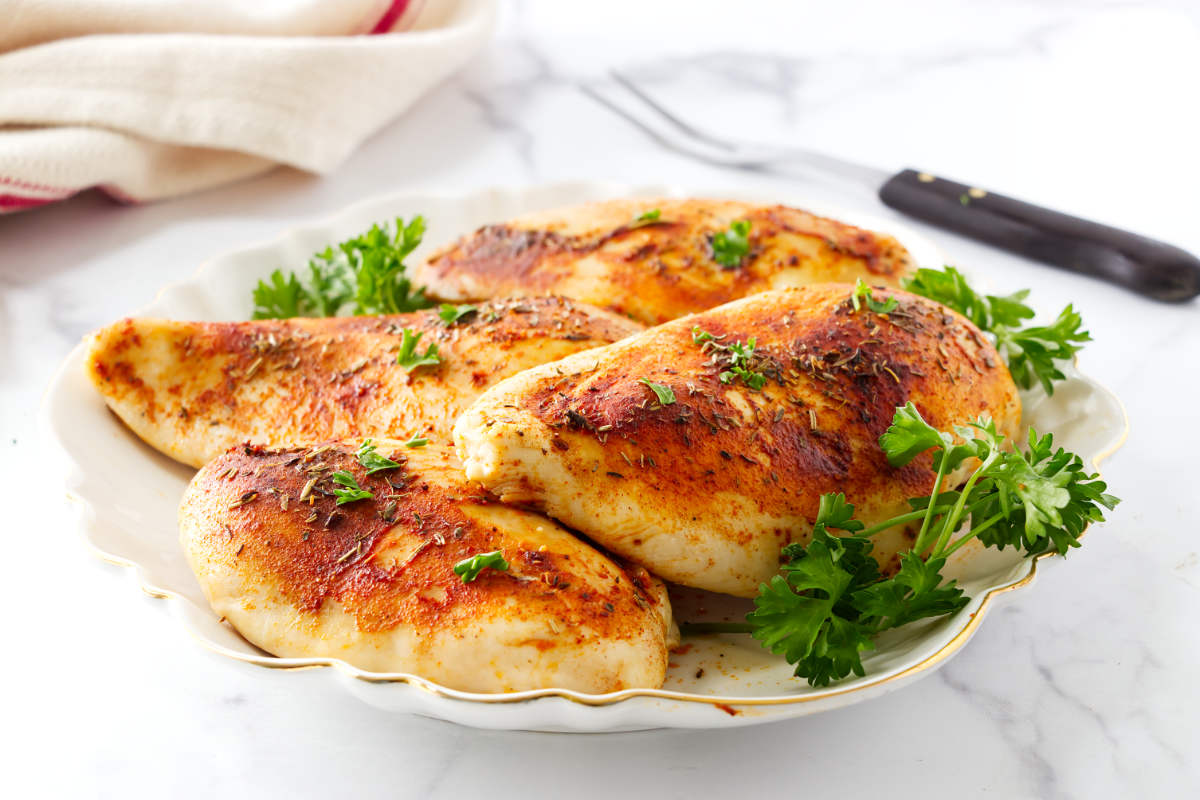
The quest for consistently moist, flavorful chicken breasts often feels like a culinary holy grail. Far too many home cooks have experienced the disappointment of a dry, rubbery piece of chicken, relegating this lean protein to a bland existence. But what if we told you that achieving the best baked chicken breasts—juicy, tender, and bursting with flavor—is not only possible but surprisingly simple with the right approach? Say goodbye to culinary compromise and prepare to elevate your everyday meals from mediocre to magnificent.
Baked chicken breast is a weeknight warrior, a meal prep champion, and a versatile canvas for countless cuisines. It's a go-to for busy families seeking healthy, delicious options. This guide will arm you with professional techniques and insights, transforming your cooking game and ensuring every bite is a testament to perfect poultry.
Mastering the Art of Juicy Baked Chicken Breasts: The Core Techniques
The secret to succulent, never-dry chicken breasts lies not in mystical ingredients, but in understanding and applying a few fundamental cooking principles. These aren't complicated tricks; they're smart strategies designed to counteract the lean nature of boneless, skinless chicken breasts and lock in moisture. Once you integrate these methods into your routine, you'll produce the best baked chicken breasts with confidence every single time.
Unlock Unrivaled Juiciness: The Power of Brining
The single most impactful step you can take to prevent dry chicken is the wet brine. This isn't just a fancy chef's secret; it's a scientific marvel. A wet brine is simply a saltwater solution in which chicken breasts are briefly submerged before baking. The magic happens through osmosis: the salt water penetrates the chicken, plumping up the muscle fibers and helping them retain moisture during cooking. It also subtly seasons the meat from the inside out, leading to a more flavorful result.
To create a simple, effective brine, dissolve 1 tablespoon of kosher salt (or 1.5 teaspoons of table salt) per cup of water. You can enhance the flavor further by adding a teaspoon of sugar, a bay leaf, or a few peppercorns. Submerge your chicken breasts completely in the chilled brine for at least 15 minutes, and up to an hour. Anything longer risks making the chicken too salty or giving it a cured texture. Pat the chicken thoroughly dry before proceeding to the next steps; excess moisture on the surface can hinder browning.
High Heat, Quick Cook: Your Oven's Role in Perfection
One of the biggest culprits behind dry chicken is extended cooking at moderate temperatures. Lean meats like chicken breast benefit immensely from a high-heat bake. This strategy allows the chicken to cook through quickly and efficiently, minimizing the time it spends losing precious moisture. A hot oven also helps create a beautiful, lightly caramelized exterior without overcooking the interior.
Preheat your oven to a robust 400°F (200°C) or even 425°F (220°C). The initial blast of heat helps to sear the outside of the chicken, forming a protective barrier that seals in juices. Depending on the thickness of your chicken breasts, they will typically bake for 18-25 minutes. However, the ultimate indicator of doneness is temperature, not time. Always use an instant-read thermometer inserted into the thickest part of the breast. Aim for an internal temperature of 160-162°F (71-72°C) when you remove them from the oven. The chicken will continue to cook a few degrees more as it rests (this is called carry-over cooking), reaching the safe internal temperature of 165°F (74°C) without becoming dry. Resting is absolutely crucial—tent the chicken loosely with foil for 5-10 minutes before slicing to allow the juices to redistribute.
Flavor and Moisture Boost: The Butter and Seasoning Touch
While brining and high heat do much of the heavy lifting for moisture, a final touch of fat and seasoning elevates the flavor profile and contributes to a beautiful finish. A drizzle of melted butter before baking adds a luxurious richness, promotes even browning, and helps any dry spices adhere to the chicken.
Beyond salt (which the brine already covers internally) and pepper, consider a simple dry rub. A classic combination includes garlic powder, onion powder, paprika, and a touch of dried herbs like oregano or thyme. For a more adventurous twist, experiment with chili powder, cumin, or even a pinch of cayenne for a subtle kick. Brush your brined, patted-dry chicken breasts with a tablespoon or two of melted unsalted butter per breast, then sprinkle generously with your chosen seasonings. This external layer of flavor complements the internal seasoning from the brine, ensuring every bite is sensational. For more in-depth guidance on perfect baking, check out our Essential Steps for Flawlessly Juicy Baked Chicken Breasts.
Selecting the Perfect Canvas: Choosing Quality Chicken Breasts
Even with the most refined techniques, the quality of your raw ingredients significantly impacts the final outcome. Choosing the right boneless, skinless chicken breasts is the first step toward achieving the best baked chicken breasts. A discerning eye at the grocery store can make all the difference.
Visual Cues for Freshness and Quality
When selecting chicken breasts, pay close attention to these indicators:
- Color: Look for a light pink hue. Avoid chicken that looks grayish, dull, or has any green tints, which can indicate spoilage.
- Plumpness & Texture: Fresh chicken breasts should appear plump and feel firm to the touch. They shouldn't have any noticeable dents, creases, or dry-looking spots. If there's excess liquid in the packaging (beyond natural moisture), or the texture seems slimy, it's best to pass.
- Fat & Trim: While chicken breasts are lean, they can sometimes have visible fat or connective tissue. Ideally, choose breasts that are well-trimmed, with minimal to no visible fat. This saves you prep time at home.
- Scent: Fresh chicken should have virtually no smell, or a very faint, neutral scent. Any off-putting odor—sour, sulfurous, or strong—is a clear sign that the chicken is no longer fresh and should be avoided.
Additionally, if your budget allows, consider exploring options like organic, free-range, or air-chilled chicken. Air-chilled chicken, in particular, tends to absorb less water during processing, leading to a naturally meatier texture and more concentrated flavor, which can further enhance your pursuit of the best baked chicken breasts.
Beyond the Bake: Storage, Reheating, and Culinary Versatility
The beauty of perfectly baked chicken breasts extends far beyond the initial meal. Its versatility makes it an ideal candidate for meal prep, ready to be transformed into various dishes throughout the week. Knowing how to store and reheat it properly is key to maintaining its coveted juiciness.
Preserving Freshness: Smart Storage Solutions
Once your chicken breasts are cooked and have cooled slightly, store them in an airtight container in the refrigerator. They will remain fresh and delicious for up to 5 days. A crucial tip to maintain moisture when reheating is to include any residual juices or butter left in the baking dish with the chicken in the container. This liquid gold will help keep the chicken from drying out later. For a comprehensive guide on managing your chicken from purchase to plate, delve into our Baked Chicken Mastery: Buying, Storing, and Reheating Tips.
Revitalizing Leftovers: Reheating Without Drying
Reheating can often be the downfall of even the juiciest chicken. Avoid the microwave if possible, or use it sparingly with extreme caution. Here are better methods:
- In the Oven: This is arguably the best method for retaining moisture. Place the cooked chicken (along with any saved juices) in a baking dish, cover tightly with foil to create a steamy environment, and bake at 350°F (175°C) for 10-15 minutes, or until warmed through to an internal temperature of 165°F (74°C).
- In Broth (for soups/stews): If you're adding the chicken to a liquid-based dish, simply shred or chop the cold chicken and gently warm it in simmering broth for 4-5 minutes until heated through.
- On the Stovetop: For sliced or diced chicken, a quick sauté in a covered pan with a splash of broth or water can warm it gently without drying.
Unlock Endless Meal Possibilities
The neutral yet flavorful seasoning of the best baked chicken breasts makes them incredibly adaptable. Serve them simply alongside your favorite roasted vegetables and grains for a wholesome dinner. Slice them thinly for impressive sandwiches or wraps. Dice them into vibrant salads, toss them with pasta, or shred them for tacos and quesadillas. Their versatility makes them a staple for healthy and convenient meals, ensuring they never go to waste.
Embrace the challenge of cooking chicken breasts and discover how easy it is to achieve perfection. With the right techniques, proper selection, and smart handling, you'll consistently create chicken that is not only delicious but also a true testament to your culinary prowess.
